
Seen to Be Led: The Role of Executive Portraits in Building Trust and Morale
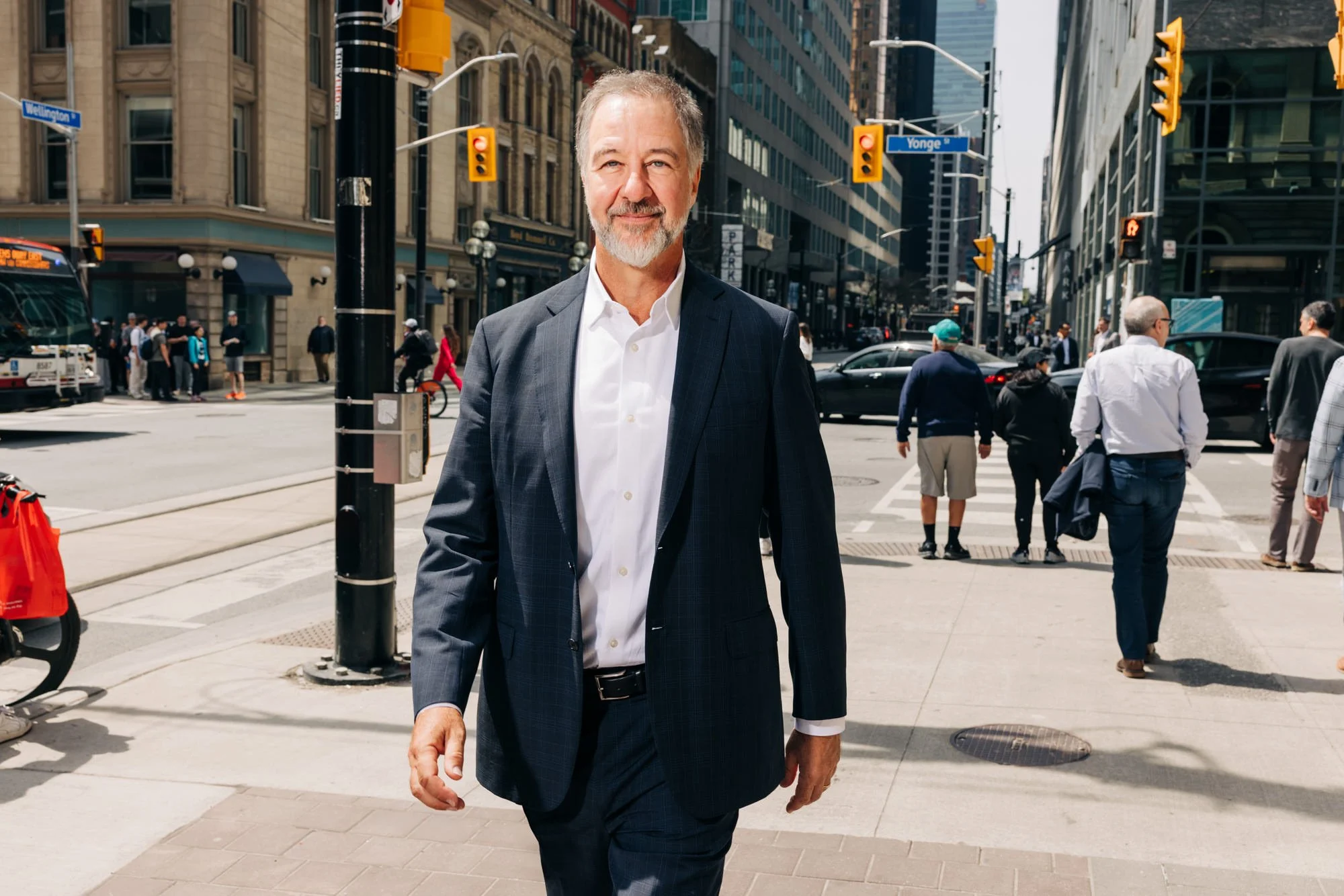
Bringing Leadership Into Focus: How Executive Portraits Strengthen Connection at Work
In many organizations, employees rarely interact with senior leadership face-to-face. Calendars are full, responsibilities are layered, and decisions are often made several levels removed from the day-to-day work. While this structure is necessary for growth, it creates a subtle gap: people are asked to trust leaders they may never truly “see.”
This is where executive portraiture becomes far more than a simple visual asset. It becomes a bridge.
At Chin Up Studios, portrait photography is built around the idea that images are not just representations they are experiences. A strong executive portrait does something powerful: it introduces leadership in a human, approachable, and confident way, even when physical interaction is limited. This holds high value in large, fast-paced markets like Toronto.

Shot on-site at corporate offices
Visibility Builds Trust
Trust is not built solely through strategy or communication it’s also built through presence. When employees can associate a face with a name, leadership becomes more tangible.
A well-crafted executive portrait communicates clarity, composure, and authenticity. It gives employees a visual anchor. This looks like someone they can recognize, relate to, and feel guided by. Without that, leadership can feel distant or abstract.
In distributed teams, remote workplaces, and large organizations, this visibility becomes even more critical. A consistent, professional visual identity across leadership helps reinforce that there are real people behind decisions, not just titles or departments.
Confidence Starts at the Top
Employee confidence in leadership often reflects how leadership presents itself. When executives show up with intention (professionally and visually) it signals stability.
A strong portrait communicates:
Confidence without arrogance
Approachability without informality
Authority without distance
Employees look for cues, especially in uncertain moments. A polished, thoughtful image suggests that leadership is grounded and prepared.
This is not about perfection. It’s about presence. Portraits that feel natural and intentional resonate more deeply than overly rigid or outdated imagery. They help employees feel that leadership is not only capable, but also relatable. These nuances matter and directly relate to performance and outcome.
Supporting Morale Through Challenging Times
Every organization faces moments of pressure such as layoffs, economic shifts, internal restructuring, or periods of rapid change. During these times, morale is shaped not only by what leaders say, but how they are perceived.
Visual consistency plays a role here.
When leadership is presented cohesively across internal platforms, communications, and company materials, it reinforces a sense of alignment. Employees see a unified front and they feel steadiness.
Conversely, outdated or inconsistent imagery can unintentionally signal disconnect. If leadership photos feel disconnected from the present moment, it can create a subtle sense that the organization itself is out of sync.
Updated executive portraits help reinforce that leadership is engaged, current, and present in the same moment as the team navigating challenges.
The Power of First Impressions for New Executives
Introducing a new executive is a pivotal moment. It’s often the first time employees form an impression before a meeting, before a town hall, before any direct in-person communication.
A strong portrait sets the tone immediately.
It answers unspoken questions:
Who is this person?
How do they show up?
What kind of leader might they be?
A thoughtful, well-executed image communicates intention. It signals that the organization values this transition and is presenting this individual with clarity and respect.
Without this, introductions can feel incomplete. A name and title alone do not create connection. A portrait completes the story.


Alignment Across the Organization
Executive portraits also set the visual standard for the entire company. When leadership invests in high-quality imagery, it naturally elevates expectations across teams.
This creates alignment:
Consistency across internal directories and external platforms
A stronger employer brand for recruitment
A unified visual language that reflects company values
Employees notice when leadership prioritizes these details. It reinforces a culture of care and professionalism, an important differentiator in competitive talent markets like Toronto.
More Than a Photo
Executive portraiture is often underestimated because it feels simple. But in reality, it sits at the intersection of branding, communication, and culture.
A single image can:
Build familiarity
Reinforce trust
Support morale
Strengthen leadership presence
In environments where time and access are limited, that impact becomes even more meaningful.
At its best, an executive portrait is not just a photograph. It is a point of connection—one that helps employees feel closer to the people guiding the organization forward.
And in today’s workplace, that connection is not a luxury. It’s essential.

Implement executive portraits to the next all-staff or town hall meeting at head office
If you’re ready to elevate your corporate imagery, connect with Chin Up next week. We’d love to help you create photography that truly reflects who your company is and where it’s going.